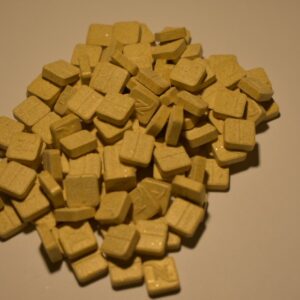
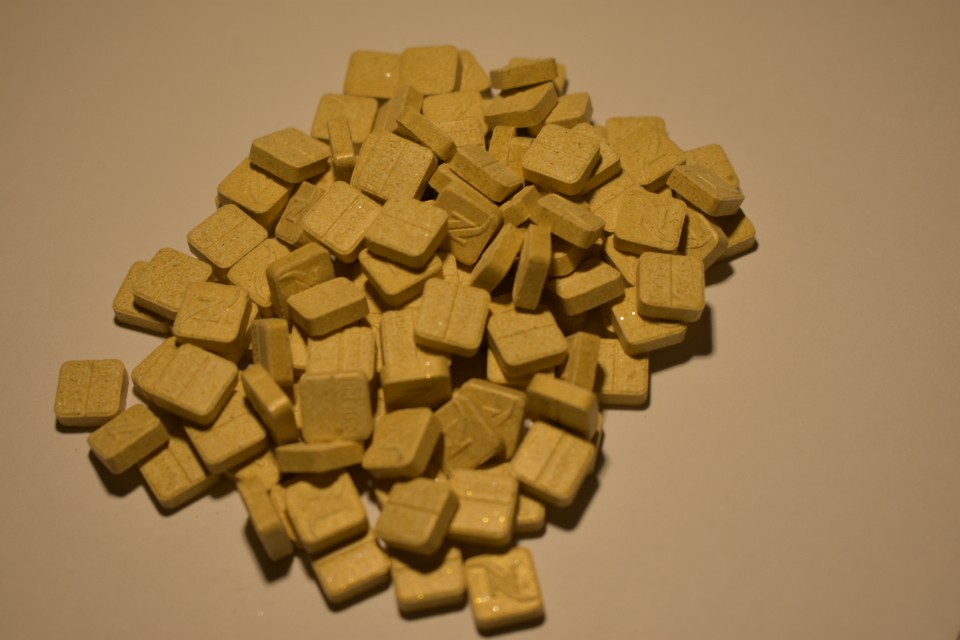
Buy MDMA Pills Nespresso Gold 160mg
MDMA (Ecstasy): Effects, Risks, Side Effects & Safety Information
What Is MDMA?
MDMA (3,4-methylenedioxymethamphetamine), commonly known as Ecstasy or Molly, is a synthetic psychoactive drug that affects mood, energy, and perception. It has both stimulant and hallucinogenic properties.
MDMA increases the activity of three brain chemicals:
-
Serotonin (mood and emotion)
-
Dopamine (reward and pleasure)
-
Norepinephrine (energy and alertness)
While some research is exploring MDMA-assisted therapy under strict medical supervision, recreational use remains illegal in many countries.
Common Street Names for MDMA
-
Ecstasy
-
Molly
-
E
-
X
Products sold as “Molly” or “Ecstasy” may contain other substances, including synthetic stimulants or opioids, which significantly increases risk.
Short-Term Effects of MDMA
Effects typically begin within 30–60 minutes and may last 4–8 hours.
Desired Effects (Reported by Users)
-
Increased energy
-
Feelings of emotional closeness
-
Enhanced sensory perception
-
Elevated mood
Common Side Effects
-
Jaw clenching or teeth grinding
-
Sweating and dehydration
-
Increased heart rate
-
Nausea
-
Blurred vision
-
Muscle tension
-
Anxiety
Serious Health Risks of MDMA
MDMA can cause serious or life-threatening complications, especially at high doses or when combined with other substances.
Major Risks Include:
-
Overheating (hyperthermia)
-
Dehydration
-
Low sodium levels (hyponatremia)
-
Heart rhythm problems
-
Seizures
-
Serotonin syndrome
-
Organ failure (rare but possible)
The risk increases when MDMA is mixed with alcohol, stimulants, or unknown adulterants.
Long-Term Effects of MDMA
Repeated or heavy use may lead to:
-
Memory problems
-
Depression
-
Sleep disturbances
-
Anxiety
-
Reduced serotonin function
-
Increased risk of substance dependence
Some studies suggest possible long-term changes in brain chemistry with frequent use.
Is MDMA Addictive?
MDMA is not considered as physically addictive as opioids, but it can cause psychological dependence. Users may develop tolerance and feel the need to increase dosage, which raises the risk of overdose.
Signs of MDMA Overdose
Seek emergency medical help immediately if someone experiences:
-
Very high body temperature
-
Confusion or agitation
-
Severe headache
-
Chest pain
-
Seizures
-
Fainting
-
Difficulty breathing
Early treatment significantly improves outcomes.
Legal Status of MDMA
MDMA is classified as a Schedule I controlled substance in the United States and is illegal in many countries. Possession, sale, or distribution may result in serious legal consequences.
Harm Reduction Information
While the safest choice is not to use illegal substances, harm reduction principles emphasize:
-
Never mixing substances
-
Avoiding unknown or unverified products
-
Staying hydrated (without overhydrating)
-
Seeking immediate help if symptoms appear
If you or someone you know struggles with substance use, professional help is available.
FAQ
What does MDMA do to the brain?
MDMA increases serotonin, dopamine, and norepinephrine levels, which can temporarily enhance mood and energy but may disrupt brain chemistry afterward.
How long does MDMA last?
Effects usually last between 4 and 8 hours, but some after-effects (such as fatigue or mood changes) can last longer.
Can MDMA cause depression?
Yes. After the drug wears off, serotonin levels may drop, leading to temporary low mood or depression. Frequent use may increase long-term risk.
Is MDMA the same as Molly?
“Molly” is a street name for MDMA. However, products sold as Molly may contain other unknown substances.
What is serotonin syndrome?
Serotonin syndrome is a potentially life-threatening condition caused by excessive serotonin. Symptoms include confusion, high fever, rapid heart rate, and seizures.
Can MDMA damage the heart?
MDMA increases heart rate and blood pressure, which may pose risks for individuals with underlying heart conditions.
Is MDMA used in therapy?
Clinical trials are exploring MDMA-assisted therapy for PTSD under strict medical supervision, but this is not the same as recreational use.
Final Note
This article is provided for educational and public health awareness purposes only. If you have concerns about substance use or health effects, consult a licensed healthcare professional.