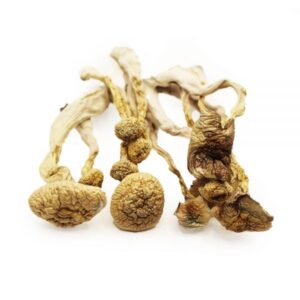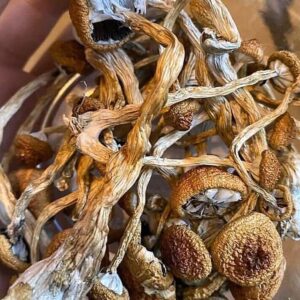
Buy Amazonian Magic Mushrooms
Amazonian Magic Mushrooms: Effects, Risks, Legal Status, and Harm Reduction Guide
What Are Amazonian Magic Mushrooms?
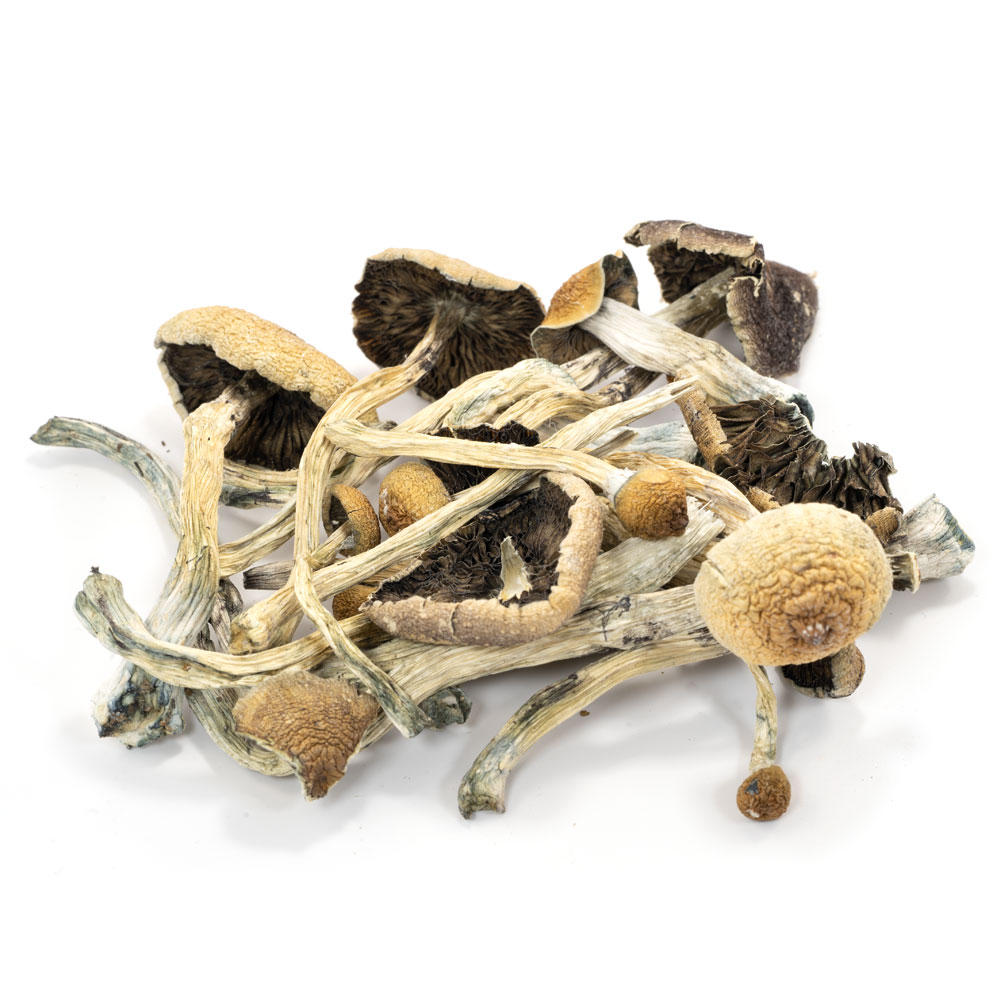
Amazonian magic mushrooms are a strain of Psilocybe cubensis, a species of mushroom that contains the naturally occurring psychedelic compounds psilocybin and psilocin.
This strain is believed to originate from the Amazon rainforest region. Like other Psilocybe cubensis varieties, Amazonian mushrooms are known for producing psychedelic effects that alter perception, mood, and cognition.
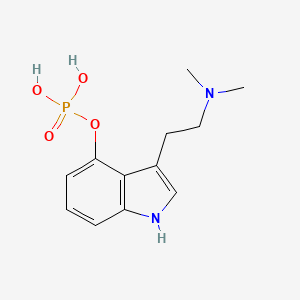
Active Compounds: Psilocybin and Psilocin
Psilocybin converts into psilocin in the body. Psilocin interacts primarily with serotonin receptors, especially the 5‑HT2A receptor, which plays a key role in perception and mood regulation.
These compounds are responsible for:
-
Visual changes
-
Altered sense of time
-
Emotional amplification
-
Changes in thought patterns
Common Effects of Amazonian Magic Mushrooms
Effects vary depending on dose, individual sensitivity, mindset, and environment.
Psychological Effects
-
Visual distortions or patterns
-
Enhanced colors and sounds
-
Deep emotional experiences
-
Altered sense of time
-
Spiritual or introspective experiences
-
Anxiety or paranoia (at higher doses)
Physical Effects
-
Nausea
-
Dilated pupils
-
Increased heart rate
-
Yawning
-
Mild coordination changes
Duration of Effects
Typical timeline:
-
Onset: 20–60 minutes
-
Peak: 2–4 hours
-
Total duration: 4–6 hours
-
After‑effects: Several additional hours
Potential Risks
While many people describe positive experiences, psilocybin mushrooms carry risks.
1. Psychological Distress
Higher doses can cause:
-
Panic attacks
-
Paranoia
-
Confusion
-
Emotional overwhelm
Individuals with a personal or family history of psychosis or bipolar disorder face higher risk.
2. Misidentification Risk
Wild mushrooms can be misidentified. Some toxic mushrooms closely resemble psilocybin species and can cause:
-
Organ failure
-
Severe poisoning
-
Death
Never consume unidentified wild mushrooms.
3. Legal Consequences
In many countries, including the United States, psilocybin is classified as a Schedule I controlled substance.
This means:
-
Illegal to possess
-
Illegal to distribute
-
Illegal to cultivate
However, some cities and states have decriminalized or deprioritized enforcement. Laws vary by region.
Always verify your local laws.
4. Emotional Vulnerability
Psilocybin amplifies emotions. If someone is experiencing:
-
Severe stress
-
Depression
-
Trauma
-
Anxiety
The experience may intensify those feelings.
Harm Reduction Guidelines
While abstinence is the safest choice, harm‑reduction strategies can reduce risks.
1. Mental Health Screening
Avoid use if you have:
-
History of psychosis
-
Bipolar disorder
-
Severe untreated anxiety
-
Serious cardiovascular conditions
2. Set and Setting
“Set” refers to mindset.
“Setting” refers to environment.
Safer practices include:
-
Calm, comfortable surroundings
-
Trusted sober sitter
-
Avoiding chaotic environments
-
Clear schedule with no obligations
3. Start Low
Higher doses significantly increase risk of panic or disorientation.
Avoid combining with alcohol or other drugs.
4. Avoid Mixing Substances
Combining mushrooms with:
-
Alcohol
-
Stimulants
-
Prescription medications
can increase risk and unpredictability.
5. Post‑Experience Integration
Journaling, therapy, or support groups can help process emotional experiences.
Are Amazonian Mushrooms Stronger Than Other Strains?
Potency varies widely between batches and growing conditions. “Strain” names often describe growth traits rather than guaranteed potency differences.
Frequently Asked Questions (FAQ)
What makes Amazonian magic mushrooms different?
They are a strain of Psilocybe cubensis believed to originate from the Amazon region. Effects are similar to other cubensis varieties.
Are magic mushrooms addictive?
Psilocybin is not considered physically addictive. However, psychological attachment to experiences is possible.
Can mushrooms cause long‑term mental health problems?
In vulnerable individuals, they can trigger psychosis or worsen underlying conditions.
Do magic mushrooms show up on drug tests?
Standard workplace drug tests usually do not screen for psilocybin, but specialized tests can detect it.
Are magic mushrooms legal?
In most countries, psilocybin remains illegal. Some regions have decriminalized possession, but laws vary.
Can you overdose on magic mushrooms?
Fatal overdose from psilocybin alone is rare, but extreme psychological distress or accidents during intoxication can occur. Toxic mushroom misidentification is a major danger.
Final Thoughts
Amazonian magic mushrooms contain psilocybin, a powerful psychedelic compound that alters perception and mood. While some individuals report meaningful or therapeutic experiences, the risks include psychological distress, legal consequences, and potential misidentification dangers.
Careful consideration of mental health, environment, and legal status is essential.